Language & culture
Five great languages layered over Syria — and its dialects, maqams, and poetry live on.
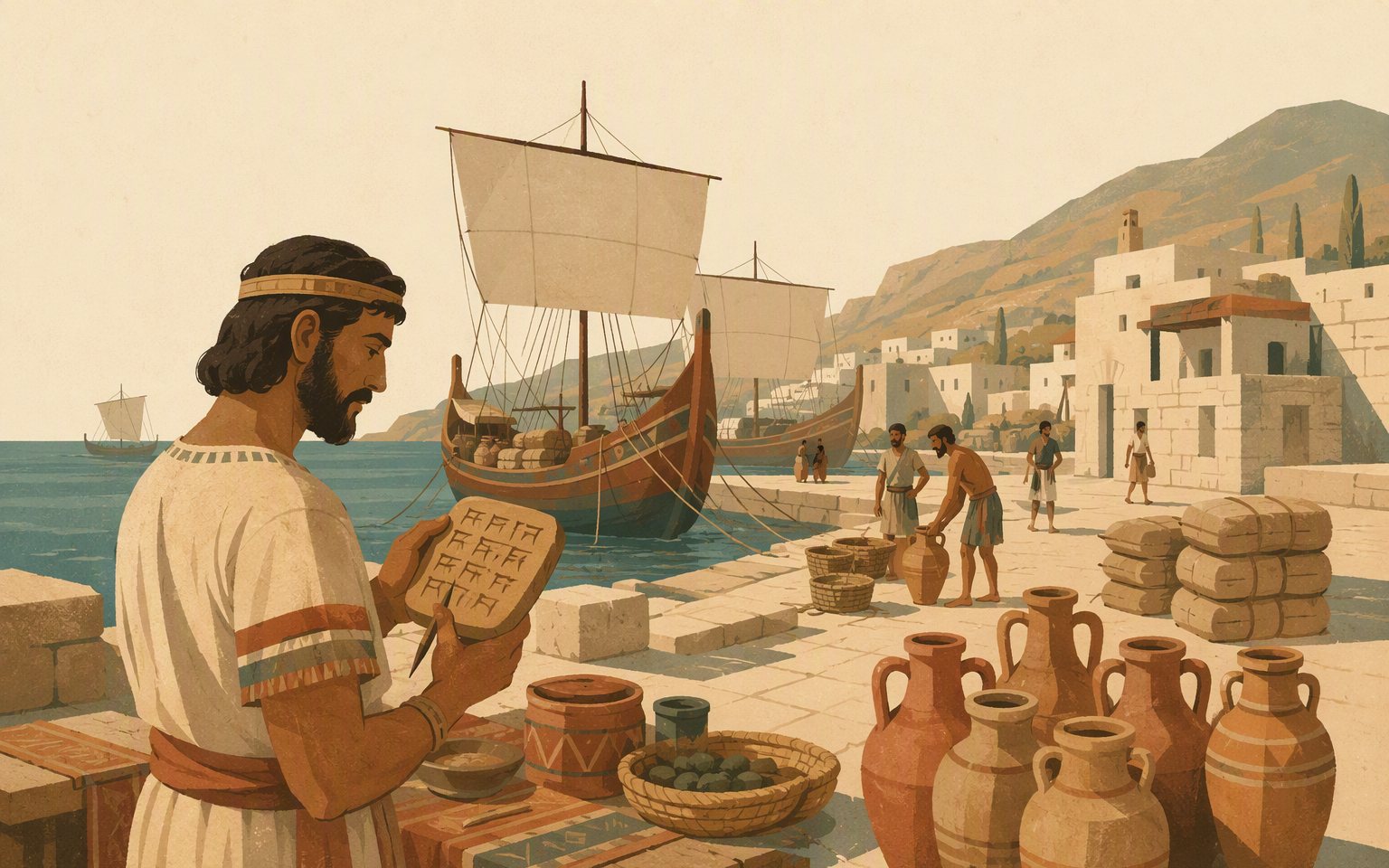
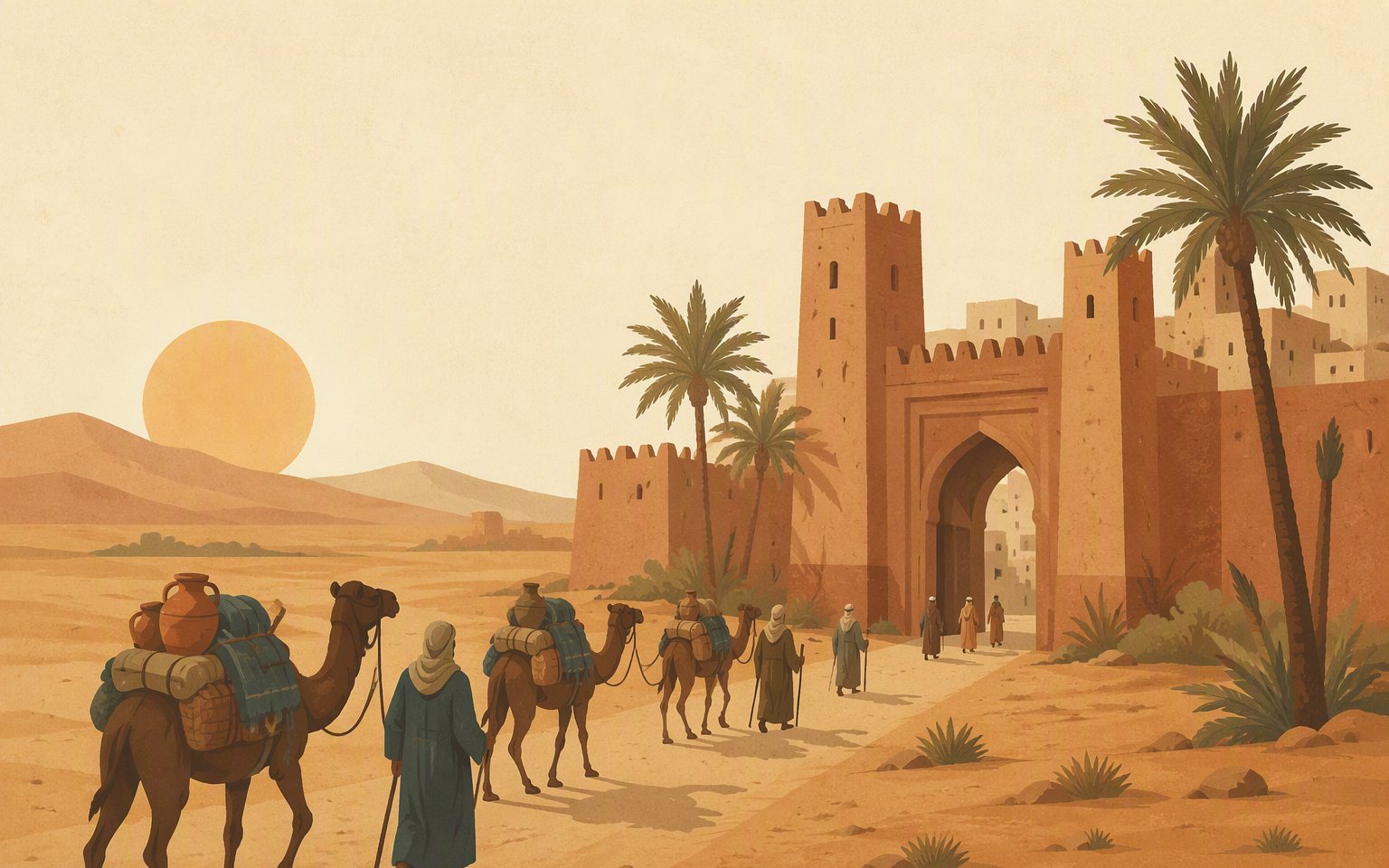
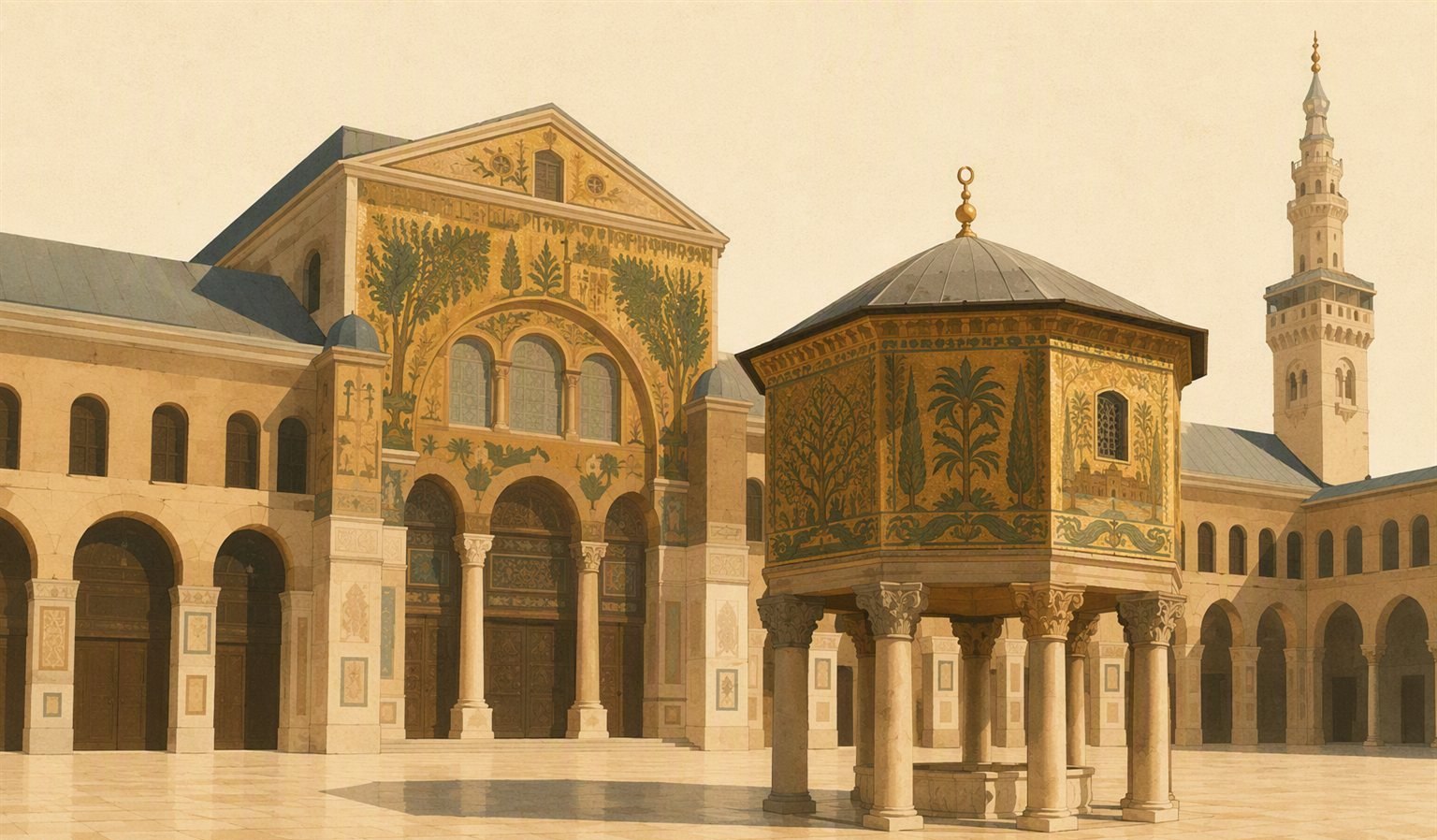
Syria is a layering of languages, each settling over the last. It began with Eblaite at Ebla around 2350 BCE — among the oldest written Semitic languages known — then Ugaritic, whose scribes invented a cuneiform alphabet of some thirty signs. Next came Aramaic, the language of trade and administration under the Assyrian and Persian empires, remaining the spoken tongue for centuries — the language spoken by Jesus — and it survives today in the mountain town of Maaloula. Greek arrived with the Seleucids as the language of Antioch's culture and schools, until Arabic entered with the early Islamic period in 636 CE, making Damascus the heart and capital of Arab culture.
Today, Modern Standard Arabic coexists with rich Levantine dialects — notably Damascene and Aleppine — while Aramaic (Syriac) remains a liturgical language in several churches.
Landmarks of Syrian culture include:
- maqam and muwashshah: Aleppo is the home of muwashshahat, the qoudoud Halabiya, and maqam artistry; Damascus a centre of chanting and recitation
- poetry: from al-Ma'arri (973–1057), author of Luzum ma la yalzam and Risalat al-Ghufran — a native of Maarrat al-Numan — to Nizar Qabbani, Damascus's modern poet
- prose and philosophy: a Syriac and Byzantine heritage that transmitted Greek learning into Arabic
From cuneiform clay to poetry collections, the written word has remained Syria's most durable and longest-lived creation.
Related people
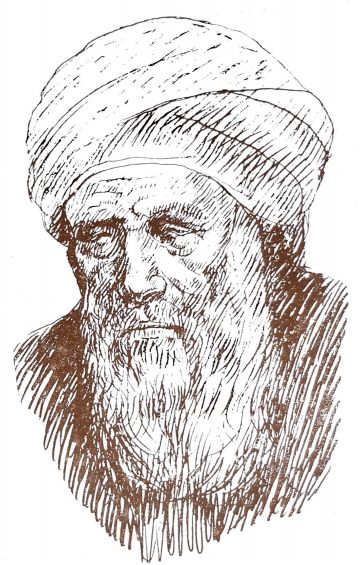 Abu al-Ala al-Ma'arriArab poet and philosopher, one of the greatest writers in Arabic, from Ma'arrat al-Nu'man973 CE – 1057 CE
 Taha HusaynDean of Arabic Literature (Egyptian; his influence extended to Syria and the wider Arab world)1889 CE – 1973 CE
 John DamasceneDamascene theologian and thinker; Umayyad administration official, later a monk near Jerusalem675 CE – 749 CE
 Usama ibn MunqidhEmir of Shayzar; diplomat, man of letters, and memoirist of the Crusading era1095 CE – 1188 CE
 Ibn AsakirDamascene hadith scholar and historian, author of the History of Damascus1105 CE – 1176 CE
 Al-MutanabbiArab poet regarded as one of the greatest in the Arabic language; court poet of the Hamdanid emir Sayf al-Dawla in Aleppo915 CE – 965 CE
- Ibn al-NafisDamascene physician and Shafi'i jurist who gave the first known description of the pulmonary circulation of the blood1213 CE – 1288 CE
 Nizar QabbaniSyrian poet and diplomat from Damascus, one of the most prominent Arabic-language poets of the 20th century1923 CE – 1998 CE
.jpg?width=800) AdonisSyrian poet and critic, a founding figure of Arabic poetic modernismb. 1930 CE
AdonisSyrian poet and critic, a founding figure of Arabic poetic modernismb. 1930 CE- Muhammad al-MaghoutSyrian poet, playwright and journalist, a pioneer of the prose poem and free verse in Arabic1934 CE – 2006 CE
 AsmahanSyrian-Egyptian singer and actress from the al-Atrash family of Jabal al-Druze1912 CE – 1944 CE