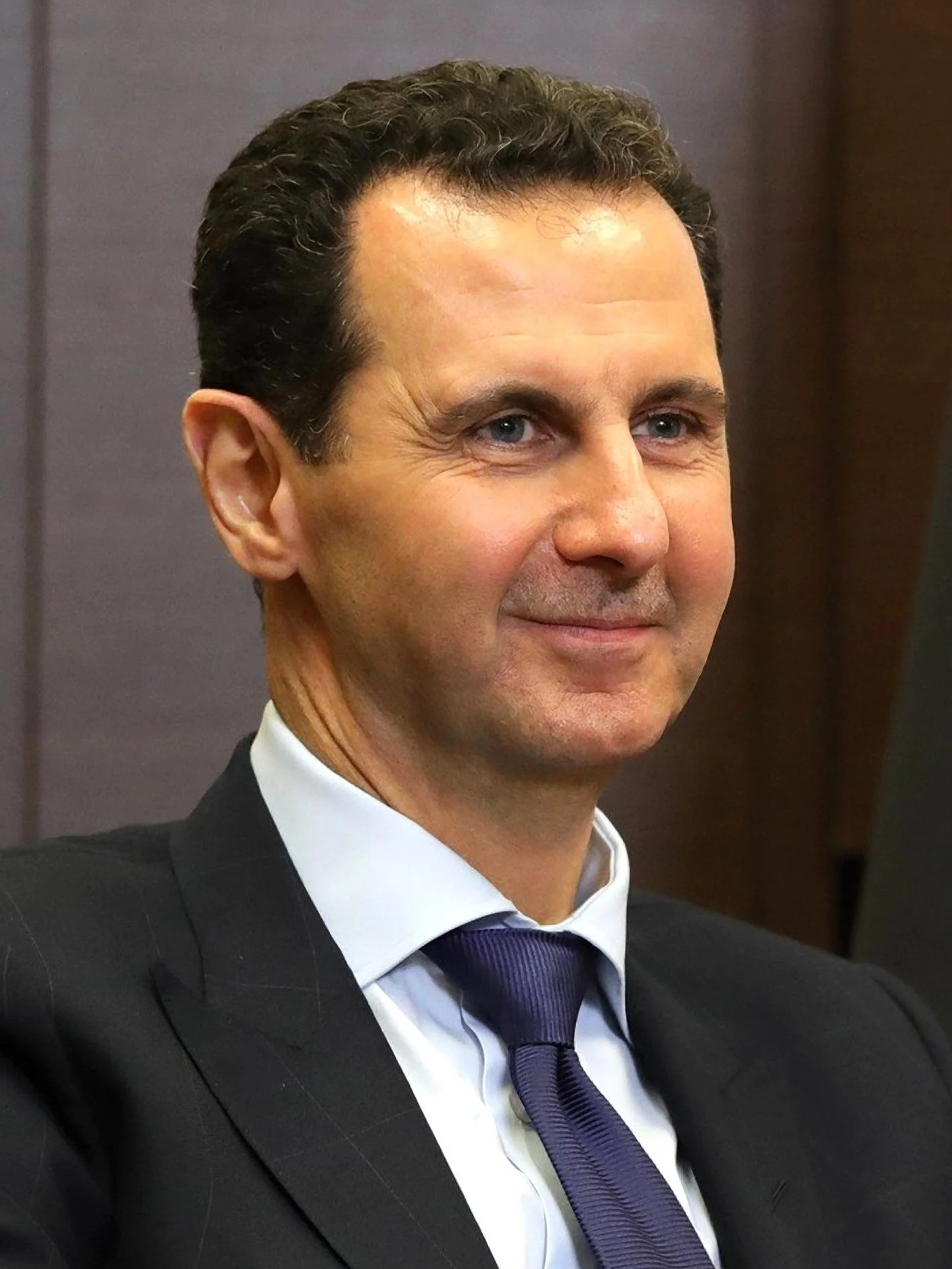
Bashar al-Assad
President of Syria 2000–2024, inherited power from his father and was toppled by opposition factions on 8 December 2024
An ophthalmologist who became president, faced the 2011 uprising with a 13-year civil war.
Bashar al-Assad was born on 23 September 1965 CE in Damascus. The second son of President Hafez al-Assad — his older brother Bassel was expected to inherit power, but Bassel died in a car accident on 21 January 1994, and Bashar returned from London, where he was studying ophthalmology, to serve in the army.
Bashar was expected to be a "modernising" president. He graduated in medicine from Damascus University in 1988, specialised in ophthalmology in London, and received intensive military training, then rose rapidly in the army. After Hafez's death on 10 June 2000, the Syrian parliament amended the constitution to lower the presidential age from 40 to 34 (Bashar's age), and he was elected president on 10 July 2000.
In his first months he launched what became known as the "Damascus Spring" — a brief opening of political reforms. But he soon turned on the reformers, imprisoned them, and cracked down on opposition figures in 2001.
On 18 March 2011 the revolution erupted in Daraa. Bashar responded with brutal repression — thousands of protesters were killed, armed factions formed, and the protest became a civil war. The regime used chemical weapons (Ghouta August 2013, Khan Sheikhoun 2017), and obtained direct Russian support from 2015.
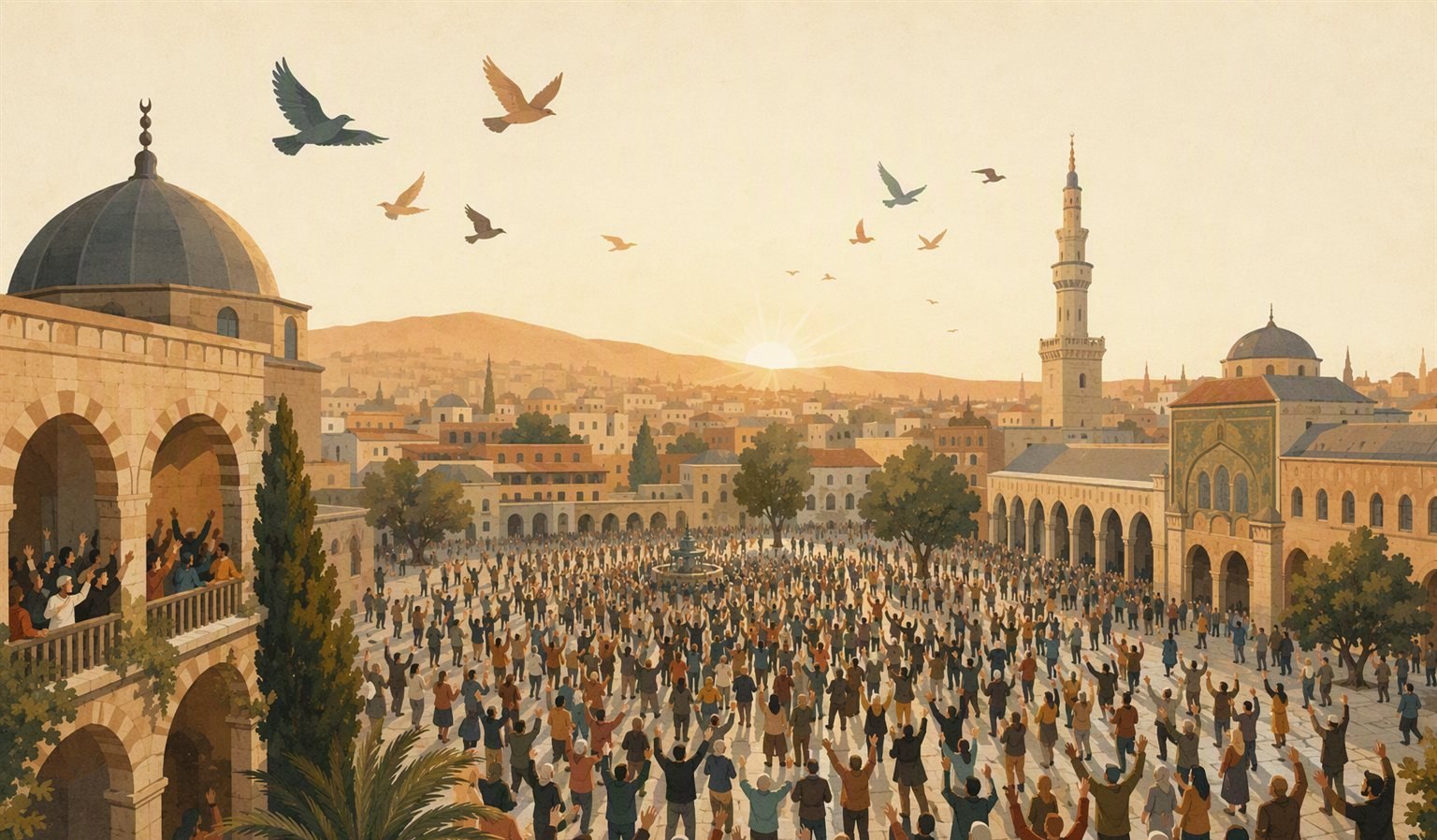
During the war Syria lost control of vast territories, then regained most of them with Russian, Iranian, and Hezbollah support. On 27 November 2024 opposition factions launched a surprise offensive on Aleppo, and on 8 December 2024 they entered Damascus. Bashar fled to Moscow with his family.
Bashar is considered Syria's "last tyrant" in collective memory. He left Syria with literally over 500,000 dead and 13 million displaced and refugees (nearly half the population), according to UN figures.