
Politics & governance
From city-kingdoms to caliphate, mandate, and republic — five millennia of governance.
Syria has known nearly every form of government. It began with city-kingdoms — Ebla, Mari, and Aram-Damascus — where local kings ruled a city and its hinterland, making treaties with one another. The land then became a province of great empires: an Assyrian province, an Achaemenid Persian satrapy, the Seleucid kingdom with its capital at Antioch, a Roman province, then a Byzantine territory.
In 661 CE the pattern reversed: Muawiya ibn Abi Sufyan made Damascus the capital of the Umayyad Caliphate, stretching from Iberia to Central Asia — Syria turned from province into the centre of the world. After the Umayyads it was ruled from afar again: Abbasid Baghdad, Mamluk Cairo, then Ottoman Istanbul for four centuries (1516–1918) within the provinces of Damascus and Aleppo.
Milestones of modern governance:
- 1920: the Arab Kingdom of Syria under Faisal I — overthrown after the Battle of Maysalun
- 1920–1946: the French Mandate under a League of Nations resolution
- 1946: independence and the republic, followed by decades of coups beginning with Husni al-Za'im's in 1949
- 1958–1961: union with Egypt in the United Arab Republic, then secession
- 1963: the Baath coup and one-party rule, consolidated under Hafez al-Assad (1970–2000) and Bashar al-Assad (2000–2024)
- December 2024: the fall of the Assad regime, followed by a transitional government that issued a constitutional declaration in March 2025
Few countries have passed through all these forms — and in every phase the question remained the same: who governs Damascus, and by what legitimacy?
Related people
 Mu'awiya IFounder of the Umayyad Caliphate and its first caliph603 CE – 680 CE
 Faisal IFirst King of Syria (1918–1920), later King of Iraq1883 CE – 1933 CE
 Hafez al-AssadPresident of Syria 1971–2000, ruled for three decades under the Ba'ath Party1930 CE – 2000 CE
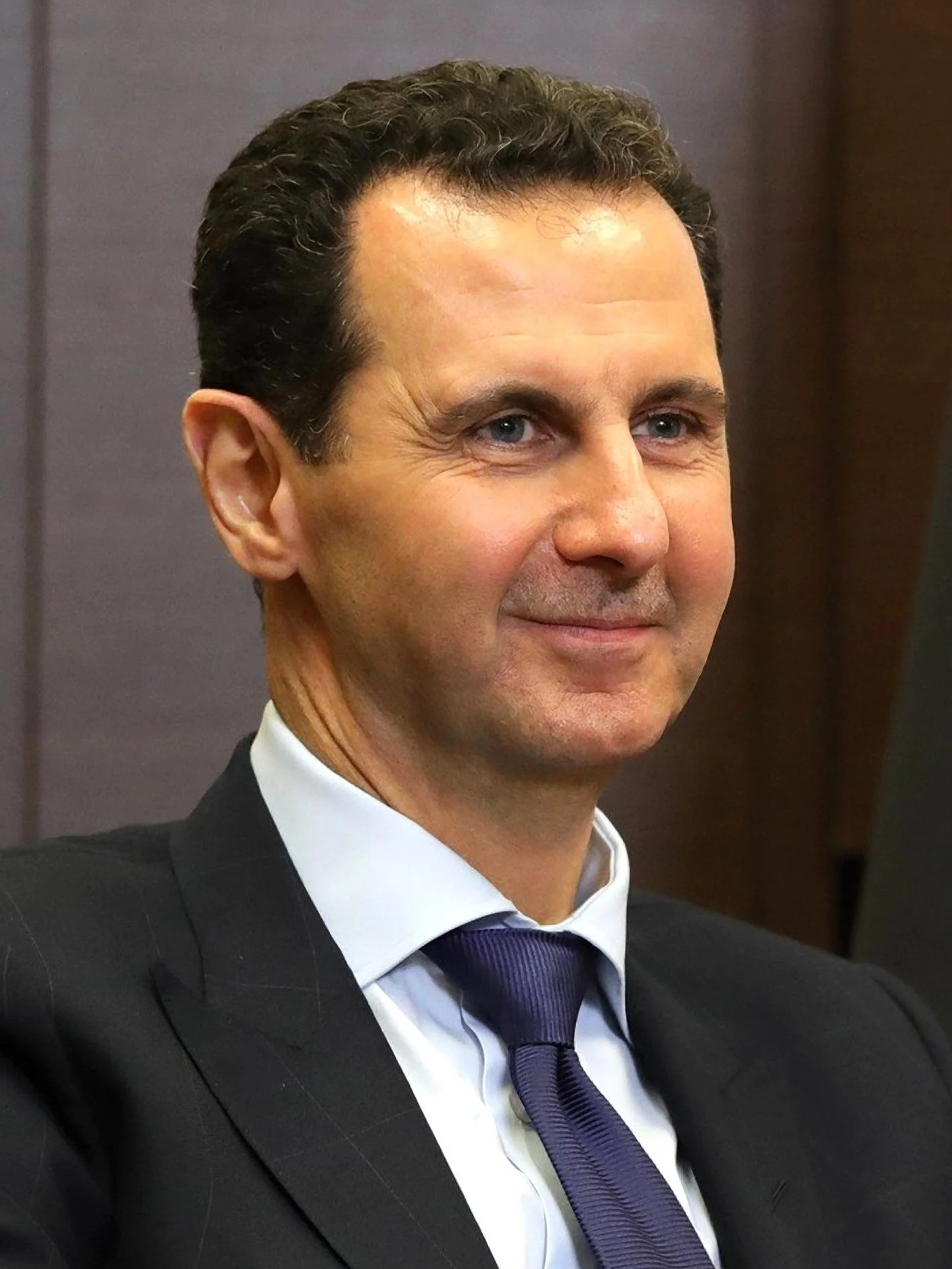 Bashar al-AssadPresident of Syria 2000–2024, inherited power from his father and was toppled by opposition factions on 8 December 2024b. 1965 CE
 Ahmed al-SharaaCommander of Hayat Tahrir al-Sham, led the fall of the Assad regime in 2024, leads Syria's transitional phaseb. 1982 CE
 Shukri al-QuwatliFirst president of the Syrian Republic after independence (1943–1949 and 1955–1958)1891 CE – 1967 CE
 Nur al-Din ZangiFounder of the Zengid dynasty, ruler of Aleppo and Damascus, paved the way for Saladin1118 CE – 1174 CE
 Philip the ArabRoman emperor (244–249 CE), born in Shahba in the Hauran204 CE – 249 CE
 Julia DomnaRoman empress from Emesa (Homs), wife of Septimius Severus and patron of intellectuals160 CE – 217 CE
Related eras
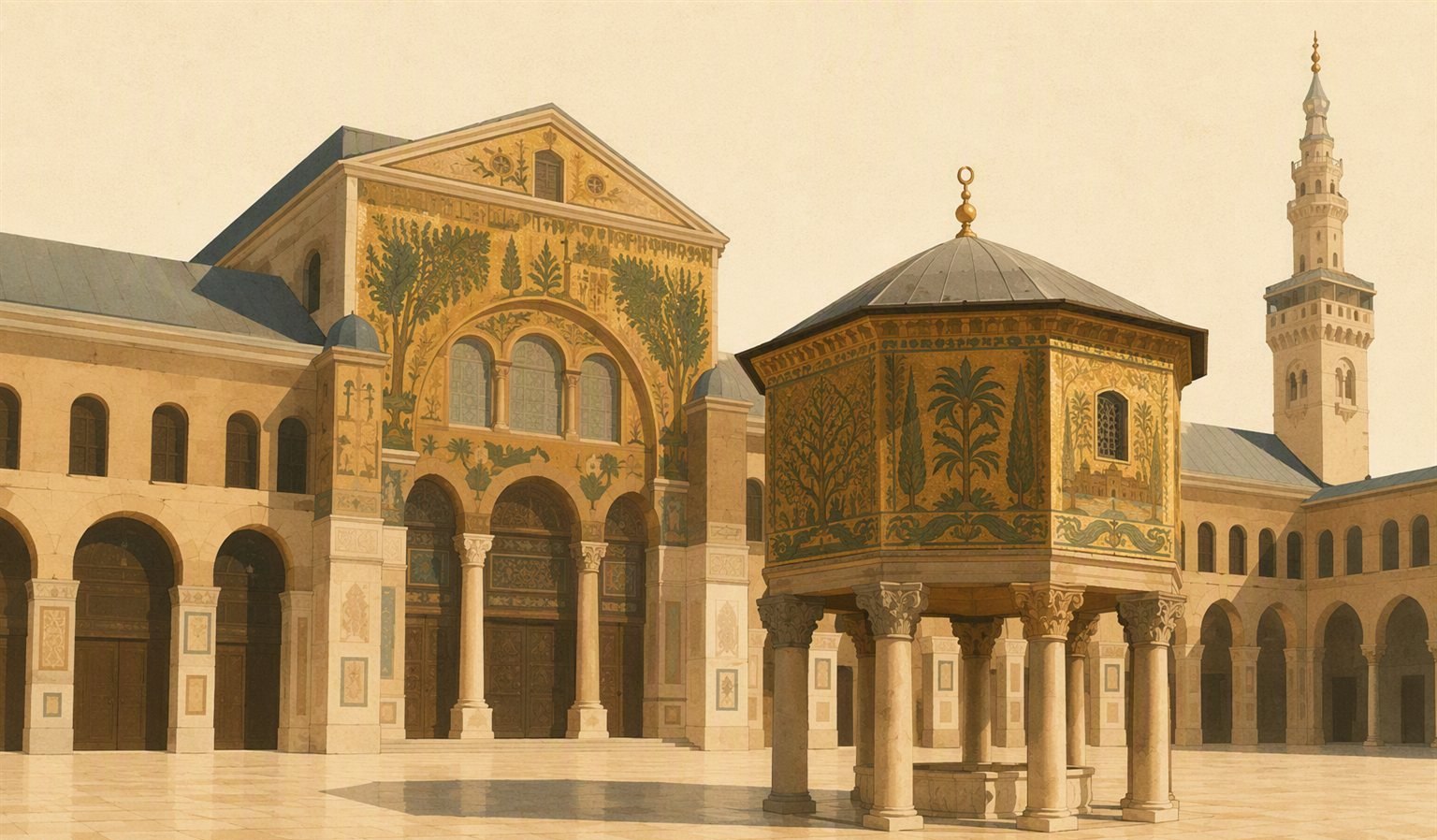 VERIFIEDUmayyad era — Damascus as capital of the world661 CE – 750 CE
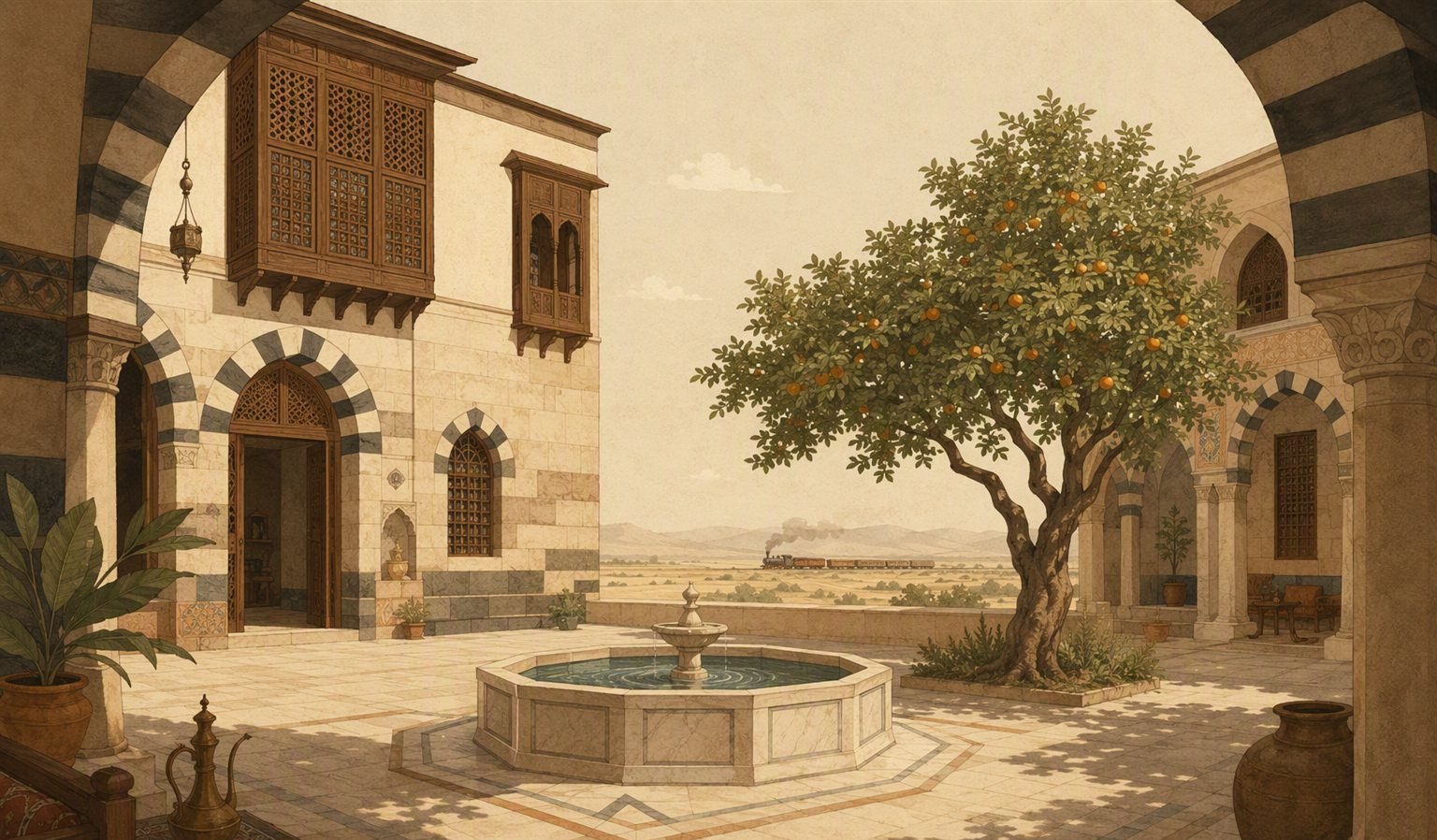 VERIFIEDOttoman Syria1516 CE – 1918 CE
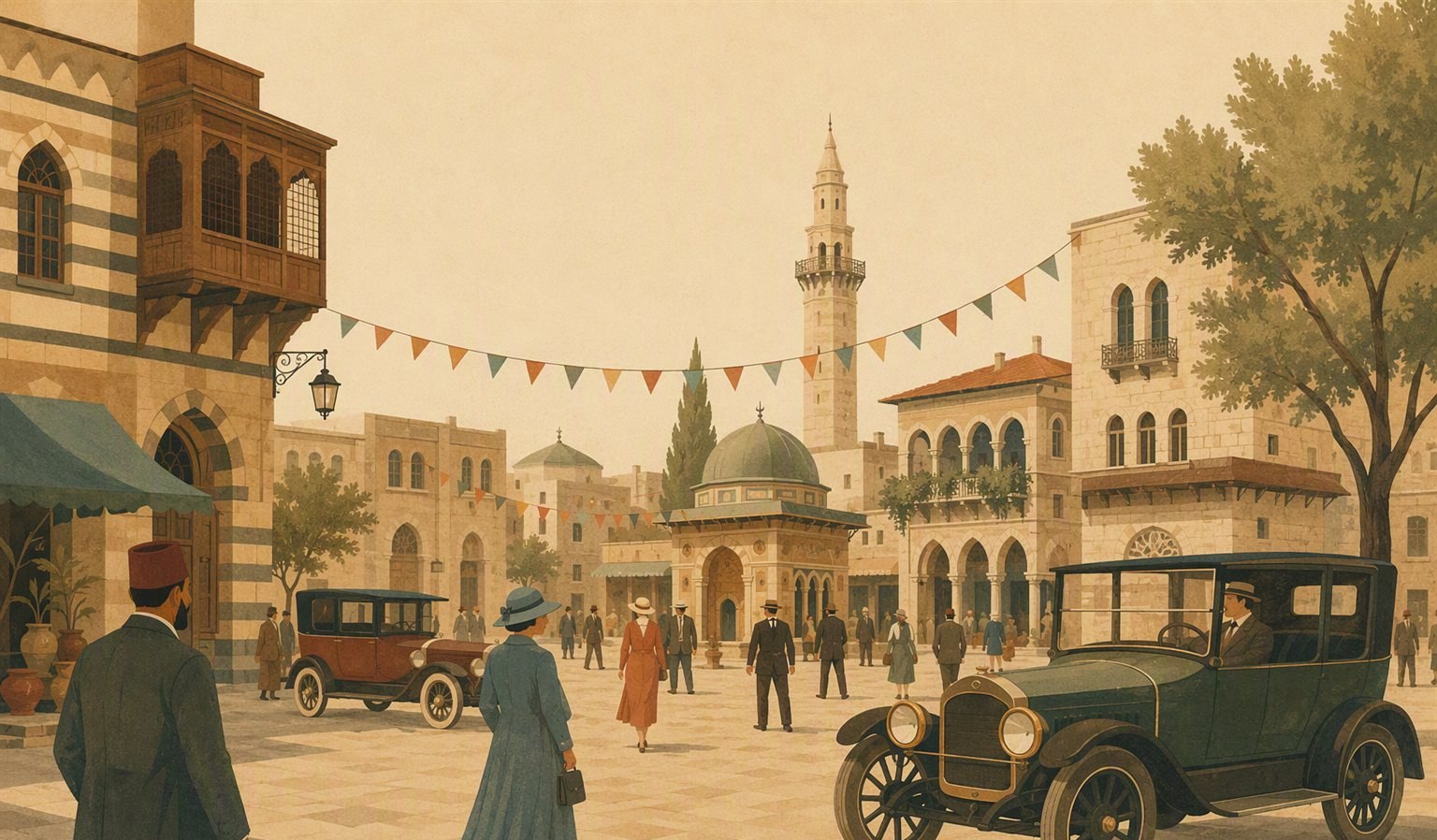 VERIFIEDArab Kingdom of Syria1918 CE – 1920 CE
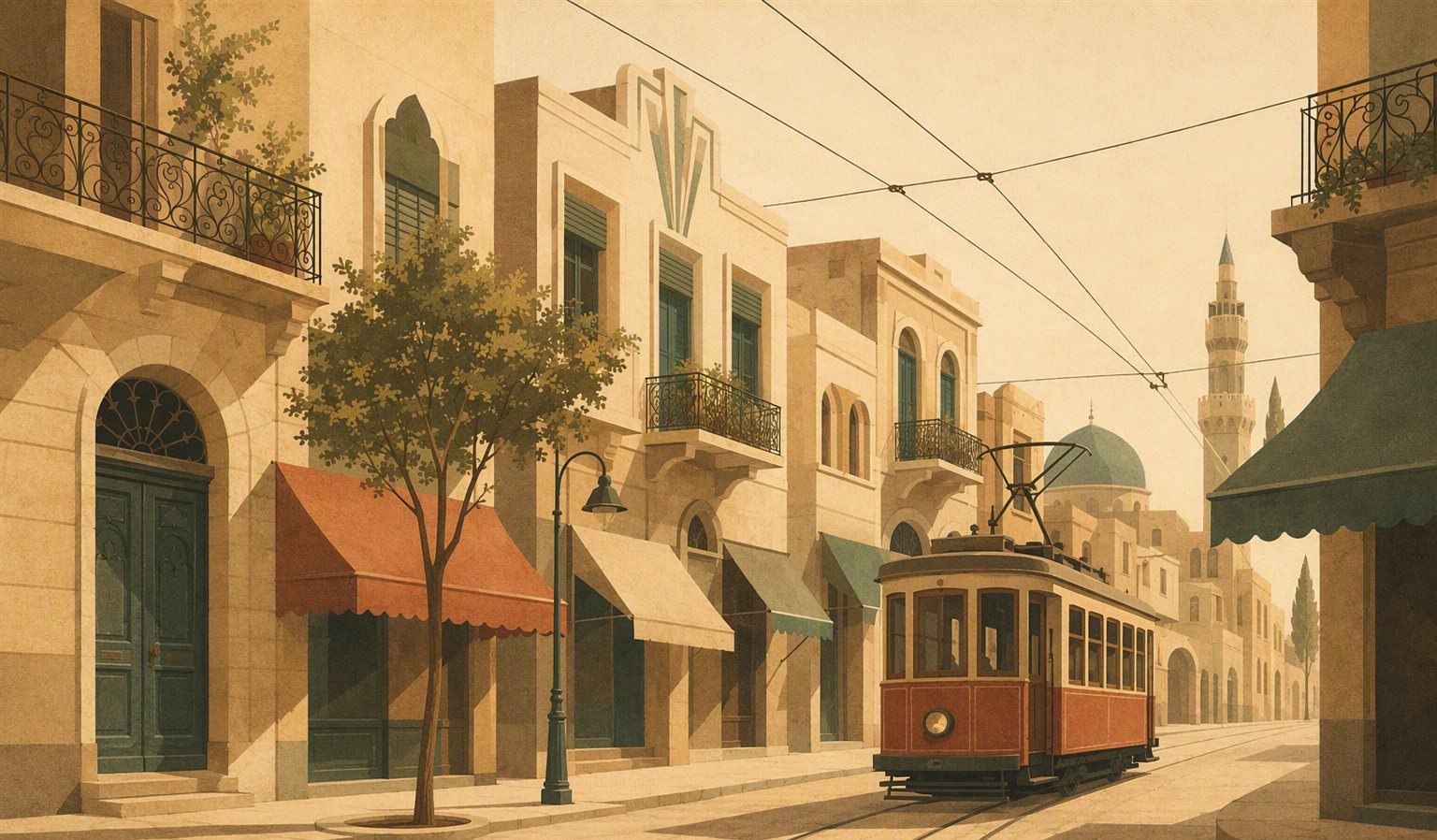 CONTEXTFrench Mandate1920 CE – 1946 CE
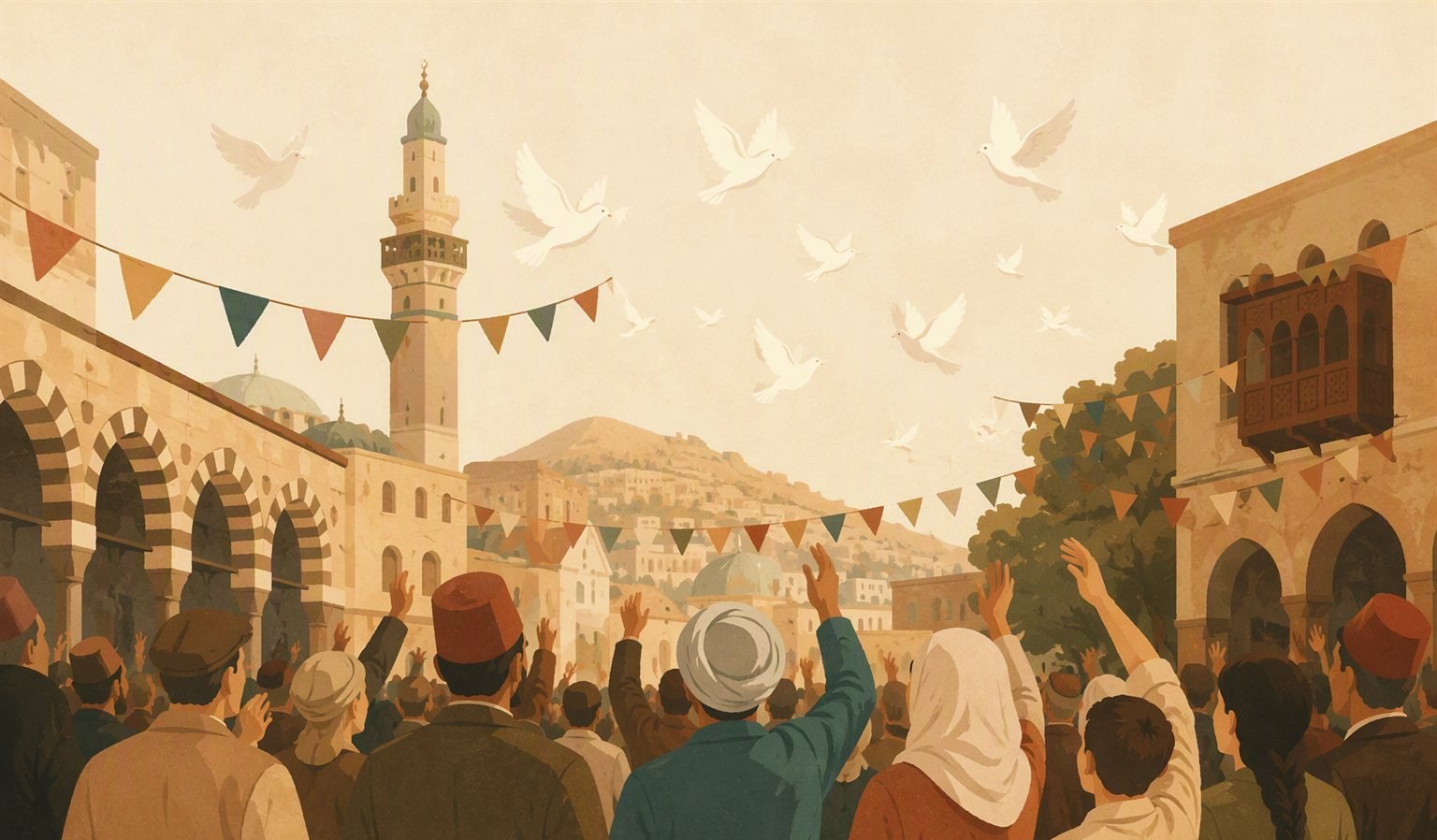 VERIFIEDIndependence — the First Republic1946 CE – 1958 CE
 VERIFIEDThe United Arab Republic — union with Egypt1958 CE – 1961 CE
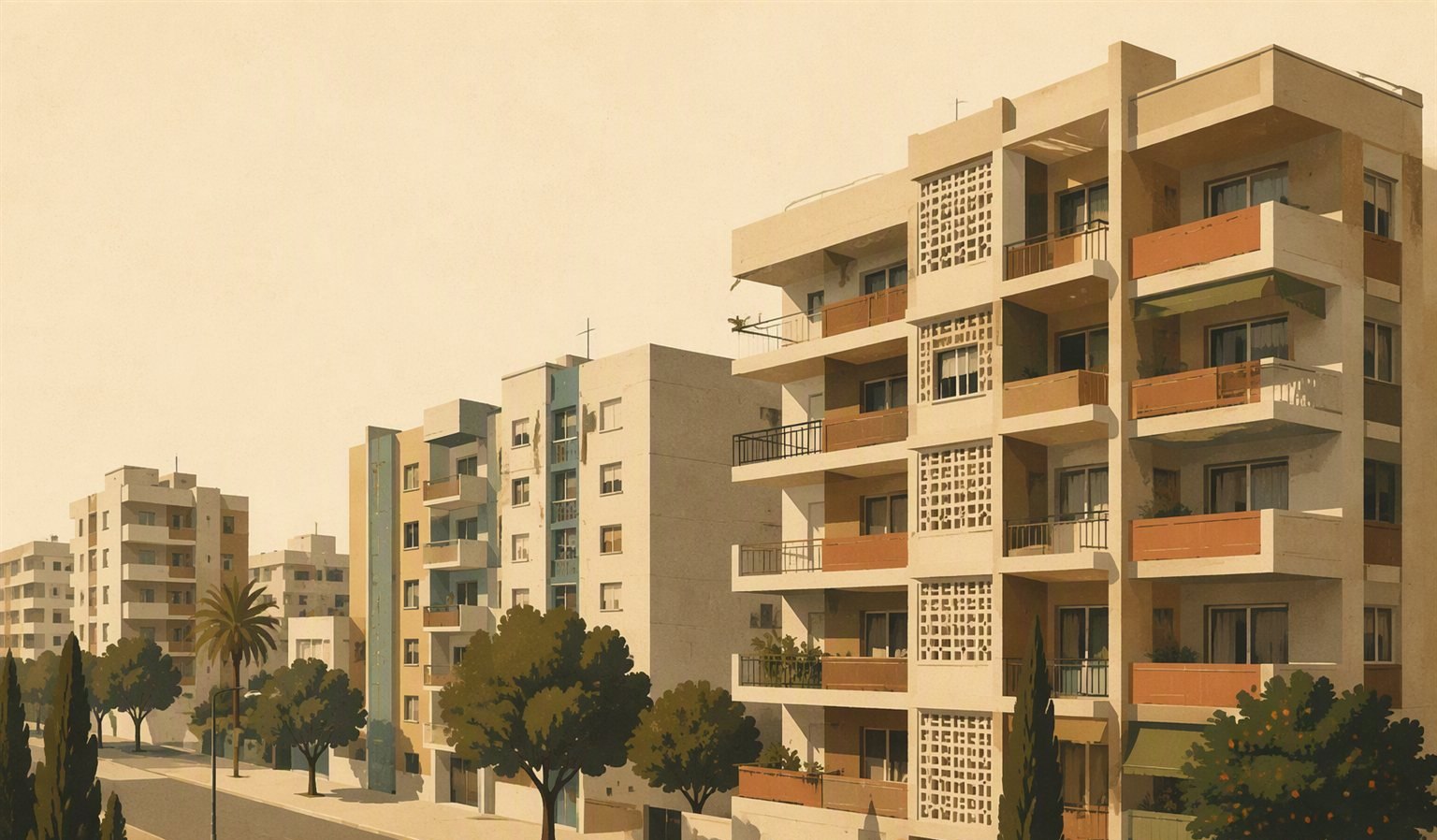 VERIFIEDBa'ath era — Assad rule1963 CE – 2011 CE
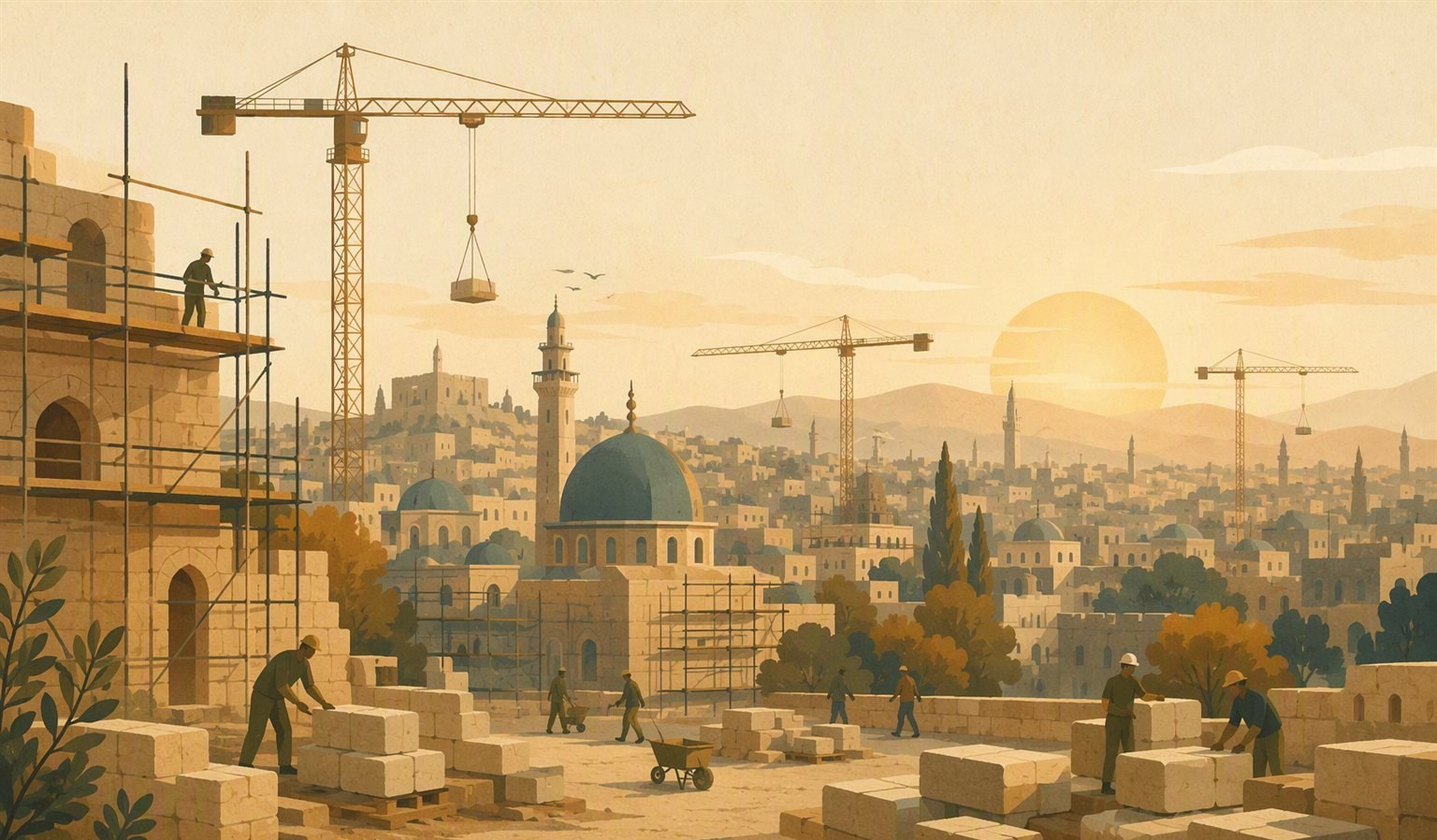 CONTEXTTransitional government — the post-Assad phase2025 CE – 2026 CE
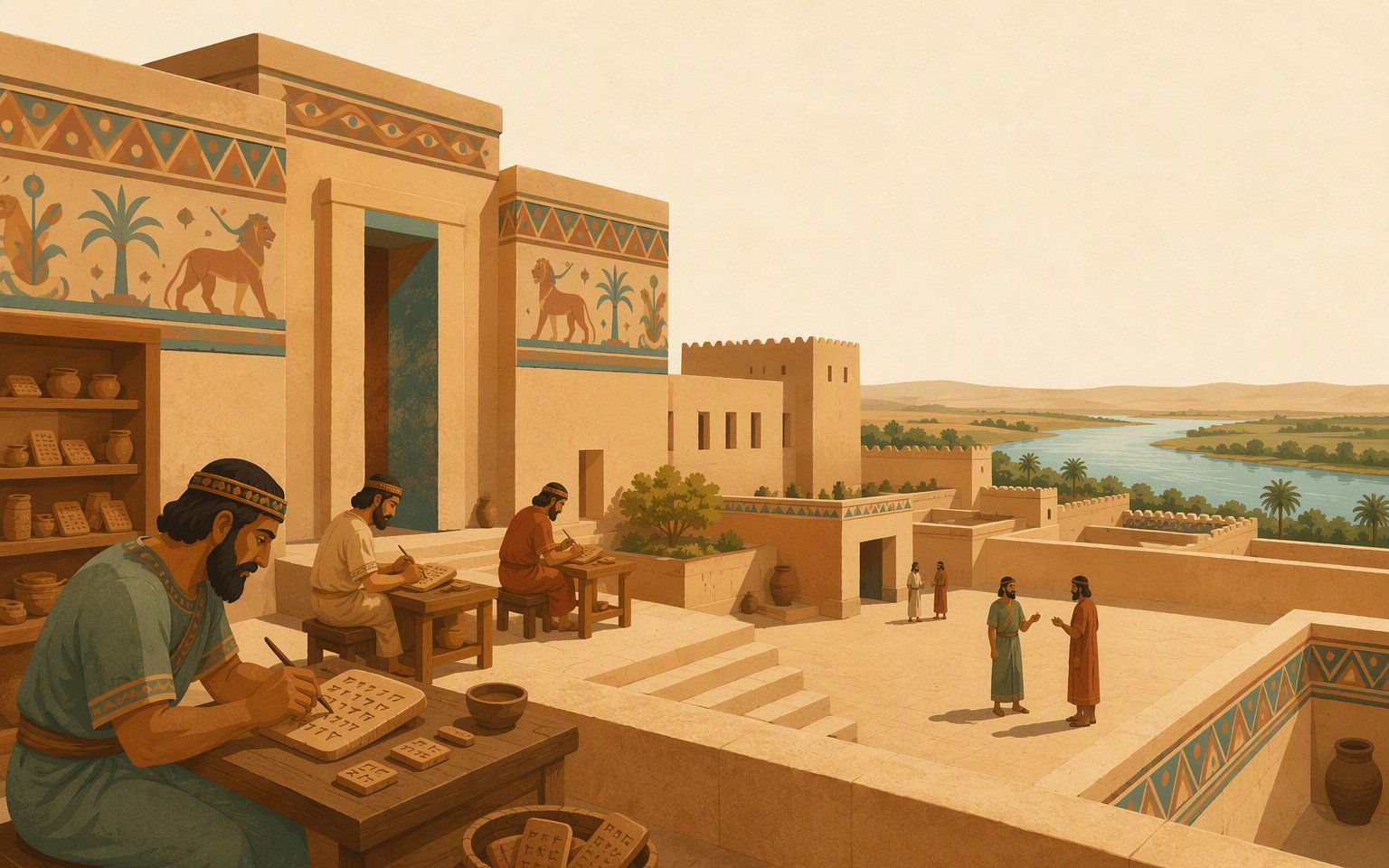 VERIFIEDThe Amorites and the Kingdom of Mari2250 BCE – 1760 BCE
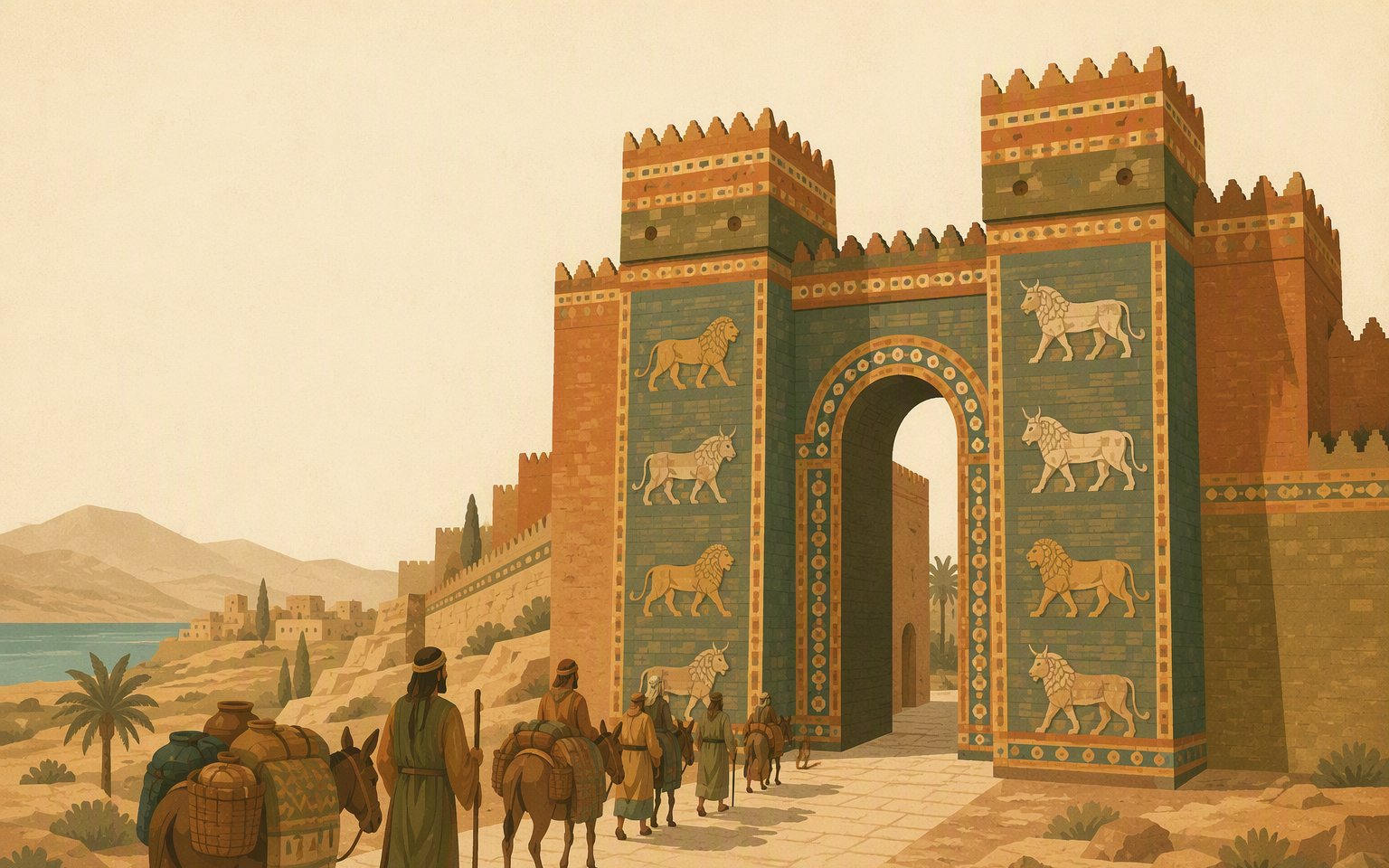 VERIFIEDNeo-Babylonian rule612 BCE – 539 BCE
Sources
- Britannica — Syriaverified
- Wikipedia — Politics of Syriacontext