
Economy & trade
From the caravans of Ebla and Mari to the Silk Road and the Hejaz railway — all the way to reconstruction.
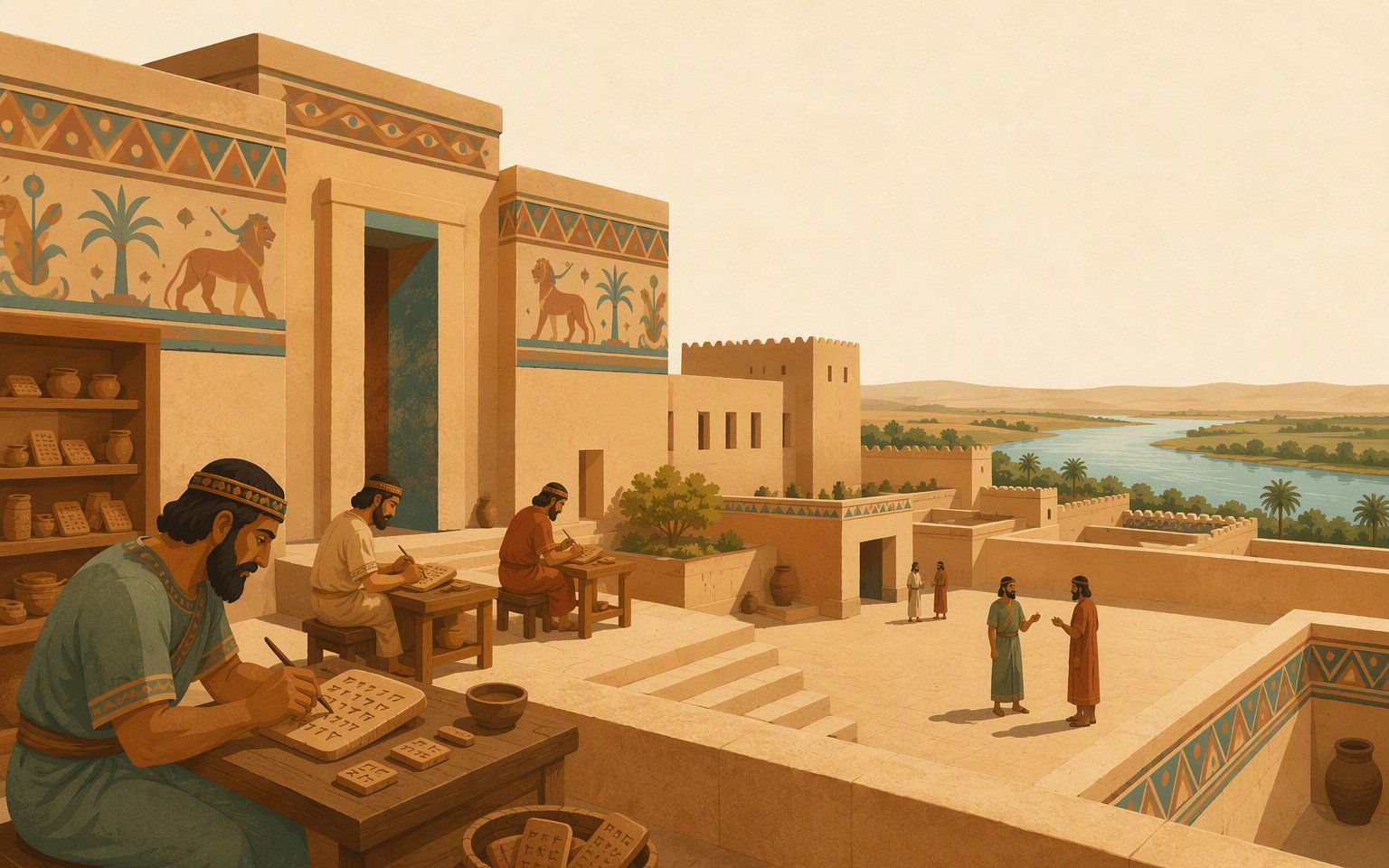
Syria has always been a crossroads of trade between East and West. In the third millennium BCE, the caravans of Ebla carried silver, timber, and textiles, while Mari on the Euphrates controlled river commerce between Mesopotamia and the Mediterranean — their archives preserve contracts and cargo lists that are among the oldest trade documents in history.
In the Roman era, Palmyra became the caravan capital of the Silk Road: silk and spices from China and India passed through it to Mediterranean markets, and the city flourished on customs dues between the 1st and 3rd centuries CE. The souqs of Aleppo and Damascus inherited this legacy: the vaulted khans of Aleppo's Souk al-Madina and Damascus's Souk al-Hamidiyeh, where merchants from Venice, India, and Persia once met.
Milestones of the modern economy:
- the Hejaz Railway (1900–1908): an Ottoman line from Damascus to Medina, sponsored by Sultan Abdülhamid II
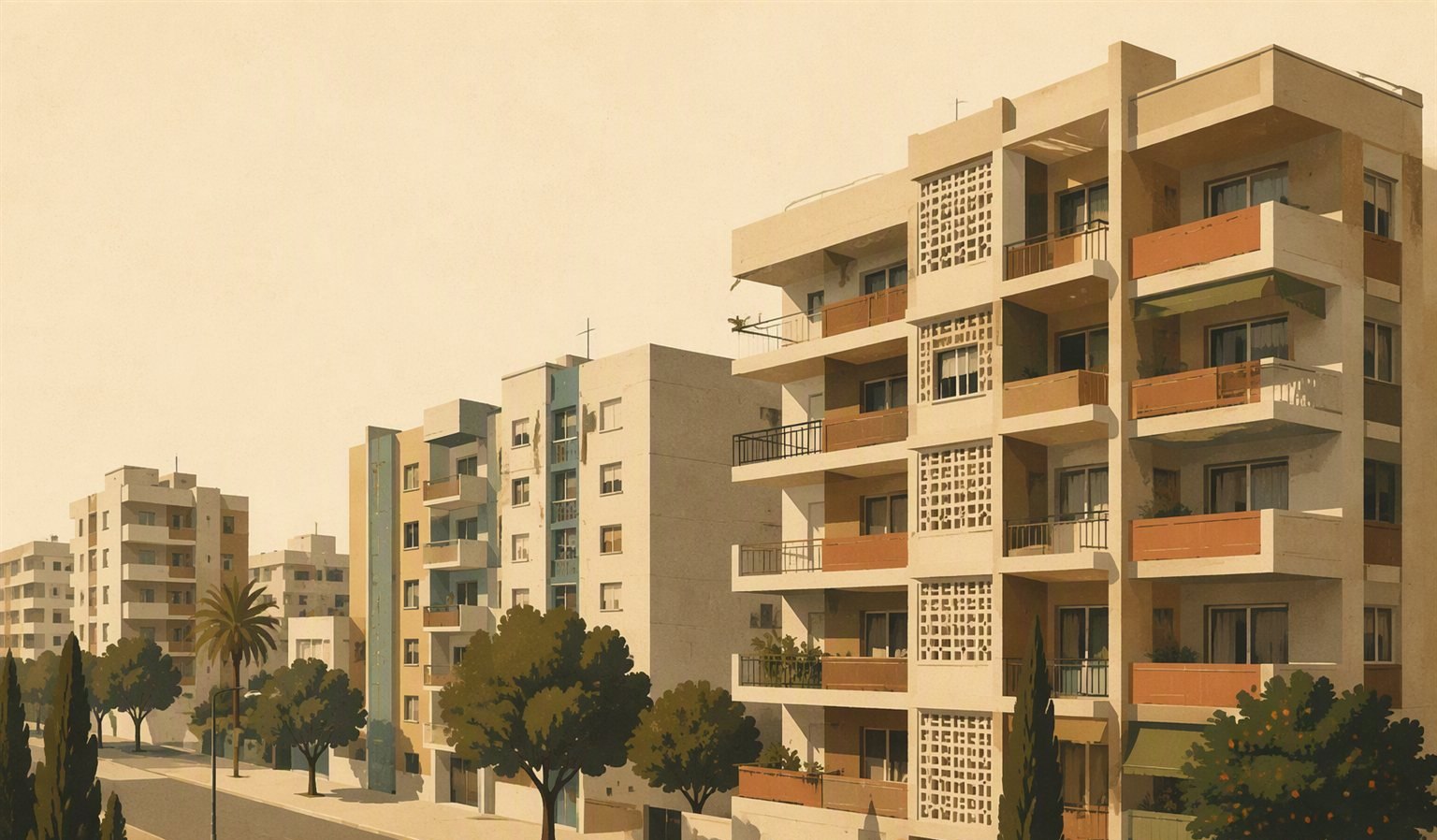
- the 20th century: an agrarian economy gradually turned into a centralised state economy under Baath rule, with oil discovered in the northeast
- the war after 2011: massive destruction of infrastructure and production, and collapse of the Syrian pound
- the Caesar Act (in force from 2020): sweeping US sanctions on the regime and those dealing with it
- after December 2024: the fall of the Assad regime, followed in 2025 by the lifting of most US and EU sanctions and the start of reconstruction
From clay-tablet contracts to banking sanctions, Syria's economy has mirrored its geography: a bridge between worlds that prospers when trade crosses it and is devastated when armies do.
Related eras
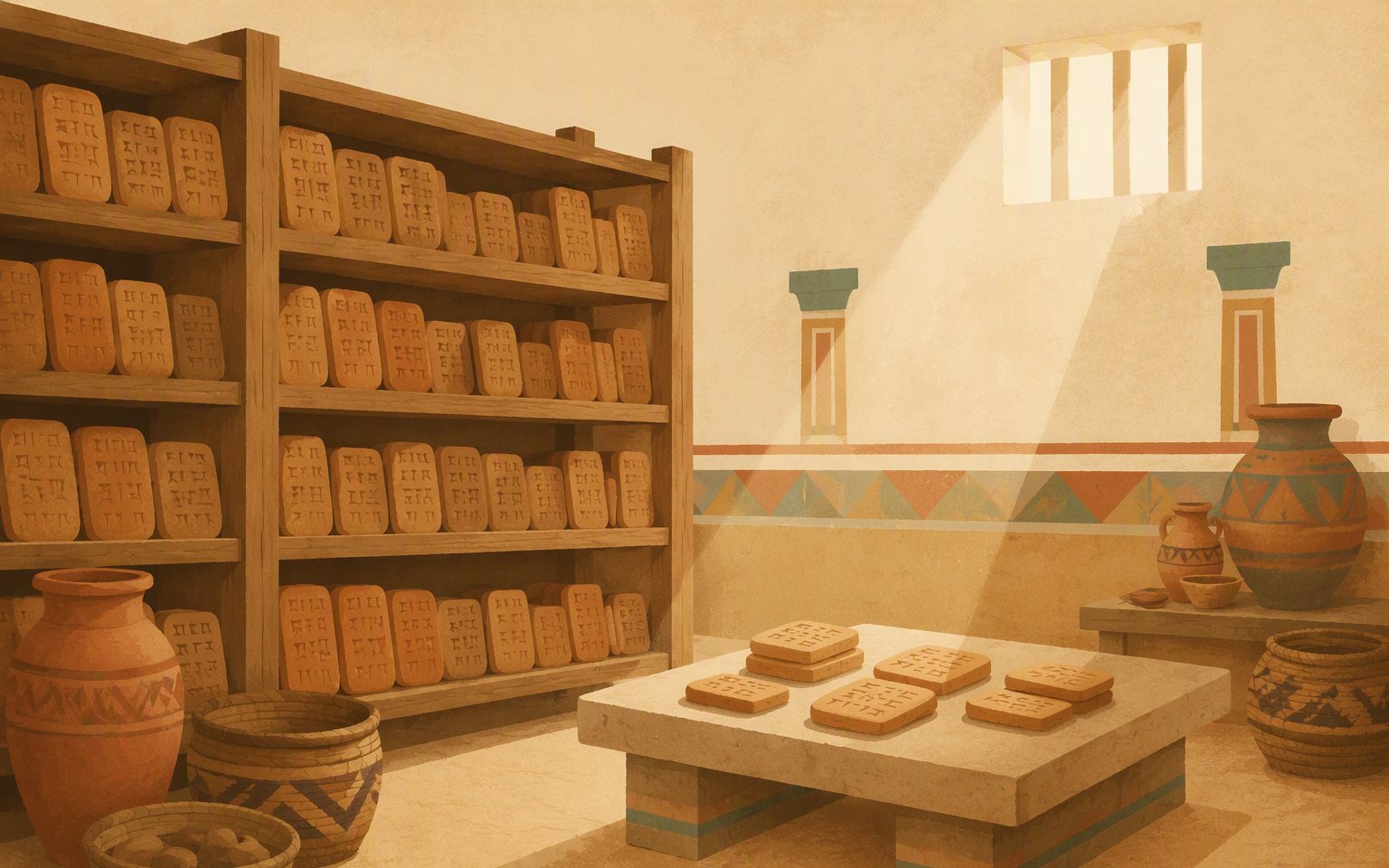 VERIFIEDThe Kingdom of Ebla3000 BCE – 2250 BCE
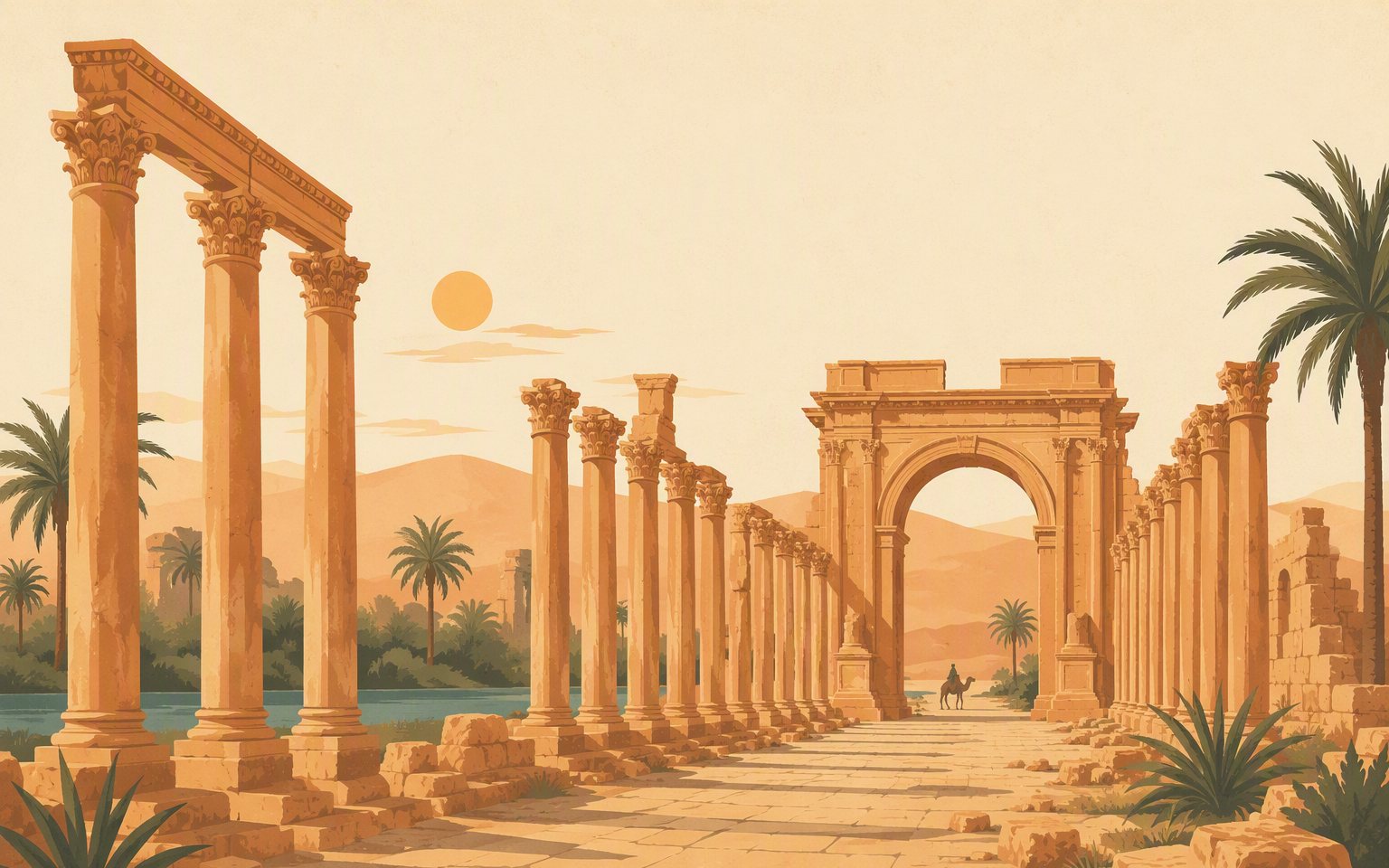 VERIFIEDRoman Syria — Palmyra and Zenobia64 BCE – 395 CE
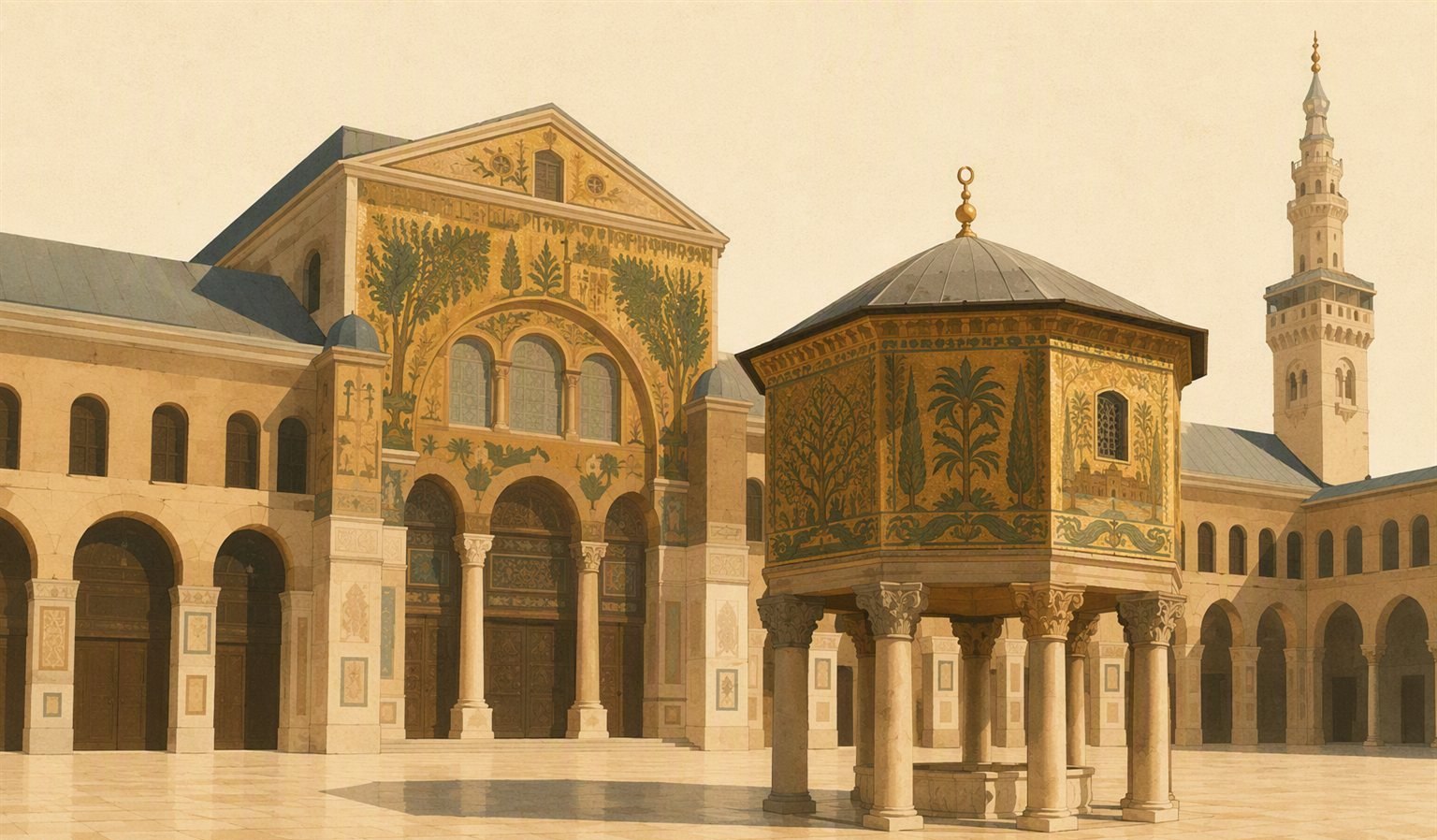 VERIFIEDUmayyad era — Damascus as capital of the world661 CE – 750 CE
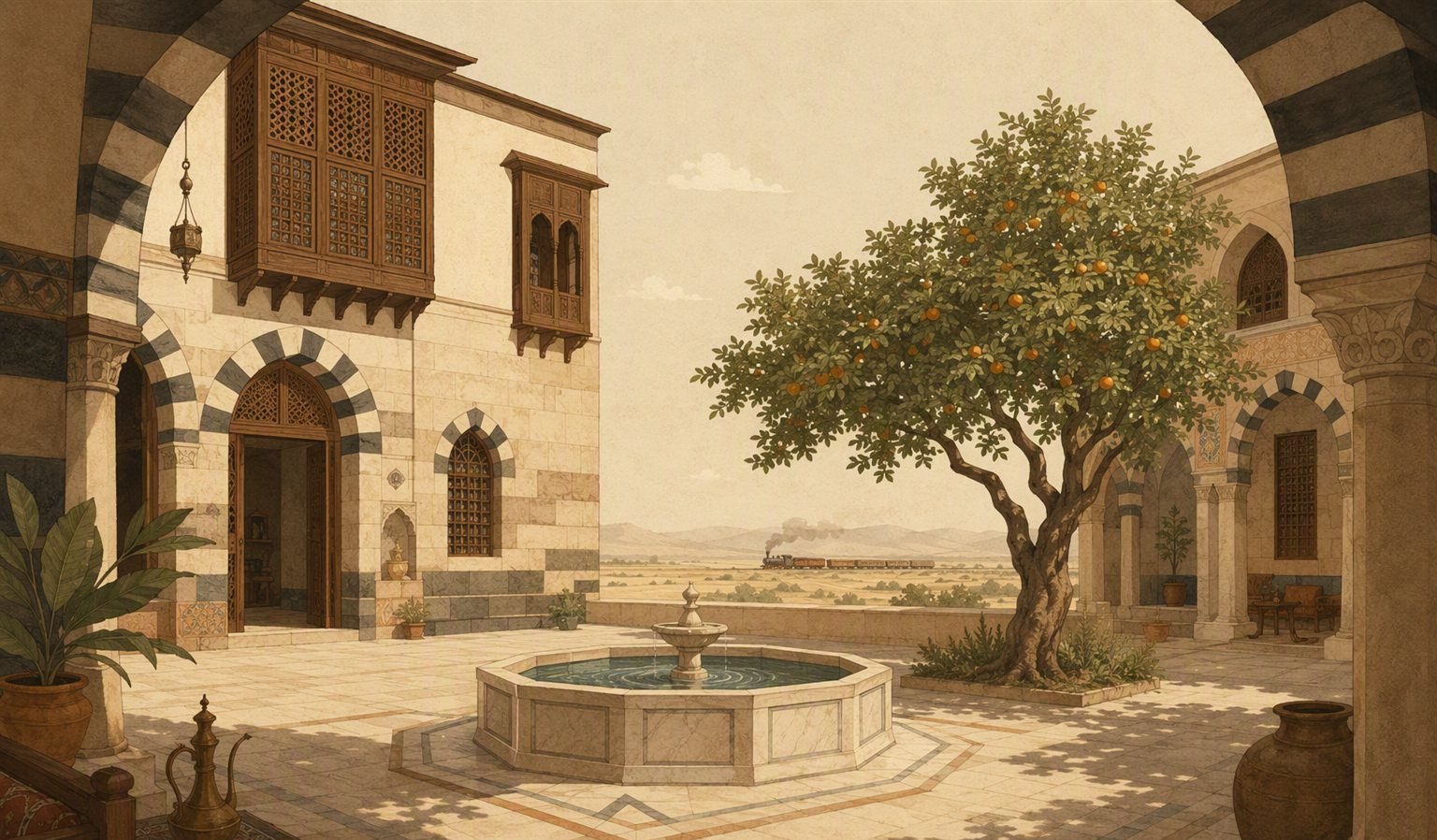 VERIFIEDOttoman Syria1516 CE – 1918 CE
 VERIFIEDBa'ath era — Assad rule1963 CE – 2011 CE
 VERIFIEDThe Amorites and the Kingdom of Mari2250 BCE – 1760 BCE
Sources
- UNESCO — Site of Palmyraverified
- Wikipedia — Economy of Syriacontext
- Wikipedia — Hejaz railwaycontext